
Your Complete Guide to Raising Mini Highland Cows
EXPERT MINI HIGHLAND COW GUIDE SERIES | MINI MOO CREW
CALVES FOR SALE:
Mini Highland Cow Lifespan and Health: What Owners Need To Know
If you’ve ever lost a pet, you know it truly feels like losing a member of the family and that feeling is no different when you lose livestock.
As someone who has grown up around cattle and livestock my entire life, I’ve experienced that firsthand, and it can be incredibly heartbreaking.
As humans, it’s natural to form deep bonds with the animals in our care – whether it’s the dog your family brought home when you were five, a neighborhood cat that decided to stick around one day, or something a little bigger like a mini highland cow (and yes, we recognize the irony there 😂).
It’s a feeling no one wants to experience, which is exactly why one of the most common questions we get before someone invests in a mini highland cow is: how long do highland cows live?
And we completely understand why! When you’re considering bringing one of these lovable little creatures home, it’s only natural to want them to be part of your life for as long as possible.
So if you’re thinking about adding a mini moo to your crew, consider this your mini highland cow lifespan guide. Below you’ll learn how long mini highland cows typically live, what impacts their longevity, and the key care factors that help support a healthy, happy life long-term.
How Long Do Mini Highland Cows Live?
Let’s start with the thing you’re ultimately wondering:
how long do mini highland cows live?
We love when people ask this question because it tells us they’re not just caught up in the cuteness of a fluffy baby calf or the dream of owning a mini cow.
They’re thinking long-term and that’s exactly what responsible ownership looks like!
The reality of bringing home a mini highland cow is that it’s not a short-term commitment. These animals can become part of your family for many years, which makes understanding the mini highland cow lifespan an important part of your investment decision.
Average Lifespan of a Mini Highland Cow
With proper care, a healthy mini highland cow lifespan typically falls between 15 to 20 years.
Some miniature highland cows may live even longer with:
- Consistent nutrition
- Proper pasture management
- Preventative veterinary care
- Strong genetics
- A low-stress environment
But just like people, every animal is different!
Genetics, daily care, and overall management all play a major role in how long a mini highland cow lives.
With that said, when raised responsibly and
cared for properly, mini highland cows are known for being hardy, resilient animals that can remain active and healthy well into their senior years.
How Mini Highland Cow Lifespan Compares to Full-Size Highland Cattle
If you’ve researched highland cattle lifespan, you may be wondering whether mini highlands live longer, shorter, or about the same as their full-size counterparts.
And the answer might be surprising to you, because well, their life expectancy is very similar.
Full-size highland cattle often live anywhere from 15 to 20 years, with some living beyond that under excellent care.
Mini highland cows generally fall within that same range, though factors like breeding practices, genetics, and chondro status can sometimes influence long-term health outcomes, which we’ll talk more about later in this guide.
So if you’re comparing highland cow life expectancy between standard and miniature lines, size alone usually isn’t the deciding factor – overall care and breeding quality matter far more!
Factors That Affect How Long a Mini Highland Cow Lives
While genetics can play a role in a mini highland cow lifespan, it’s not determined by genetics alone. A mini highland cow’s health and longevity are often shaped by the everyday decisions made by their owner.
Some of the biggest factors that affect how long mini highland cows live include:
Nutrition and Feeding Practices
A balanced diet is one of the biggest contributors to long-term health for mini highland cows.
As mentioned in detail in our
Mini Highland Cow Care Guide, high-quality hay, pasture access, minerals, and appropriate supplementation all support healthy growth, strong immune function, proper weight maintenance, and joint and hoof health.
Overfeeding (or feeding the wrong types of grain or treats) can also lead to obesity and metabolic issues over time.
Genetics and Breeding Practices
Not all mini highland cows are bred with the same health standards. Responsible breeding programs prioritize structural soundness, temperament, genetic testing, and long-term herd health.
This is one of the reasons we place such a strong emphasis on
breeding transparency
here at Mini Moo Crew!
Environment and Daily Management
A clean, low-stress environment can make a huge difference in your mini highland cow’s lifespan. This includes safe fencing, dry shelter, clean water, proper herd dynamics, and regular observation for signs of illness or injury.
All of these things are well detailed in our
Mini Highland Cow Care Guide, so if you’re looking for the specifics on each of these things, be sure to refer there!
Overall, cattle thrive on consistency, and stable routines often lead to healthier animals overall.
Do Mini Highland Cows Make Good Pets?
A lot of people discover mini highlands because they’re searching for a highland cow as a pet, and honestly, we understand why – they’re gentle, curious, social, and full of personality!
But while they may feel like oversized pets, it’s important to remember that mini highland cows are
still livestock.
That means they require outdoor space, daily feeding and care, veterinary support, secure fencing and shelter, and social interaction with other animals.
So sure, a mini highland cow could absolutely make a good pet (just not one that will hang out in your living room!), IF you have the space, resources, and long-term commitment to care for them properly.
Mini highlands can become incredibly affectionate, interactive members of your farm or homestead, and in many ways, they really do become family!
What is Chondro in Cows and Why Does it Matter for Mini Highland Health?
If you’ve spent any time researching miniature cattle, you’ve probably come across terms like chondro in cattle, chondro-positive cow, or chondro status and wondered,
“what does that actually mean?”
More importantly, you might be wondering if this chondro talk matters when you’re considering
buying a mini highland cow and the short answer is YES! It absolutely plays a role when purchasing your mini moo.
Understanding chondro status can give you valuable insight into a mini cow’s genetics, potential size, breeding considerations, and in some cases, long-term health planning.
What Chondrodysplasia (Chondro) Is in Miniature Cattle
So, what is chondro in cows? Chondro is short for chondrodysplasia, a genetic trait that affects bone and cartilage development in cattle.
In miniature cattle, this gene is one of the factors that can contribute to a smaller frame and shorter stature, which is one reason some mini cattle lines stay exceptionally compact.
A chondro cow simply means that animal carries the chondrodysplasia gene. This doesn’t automatically mean there’s something “wrong” with the animal. In fact, many healthy miniature cattle carry this gene and live normal, healthy lives.
However, it
does matter from a breeding and genetic planning standpoint.
Chondro Positive vs. Chondro Negative: What It Means For Mini Cow Buyers
When mini highland cow breeders talk about “chondro positive”, they’re usually referring to whether a cow carries the chondro gene.
Here’s what this means:
➕ Chondro Positive = carries the chondrodysplasia gene, may have a smaller or more compact build, and requires thoughtful breeding decisions.
➖ Chondro Negative = does not carry the gene, will still be miniature if bred from miniature genetics (but size may vary), and offers different breeding flexibility.
For
mini highland cow buyers, chondro status isn’t necessarily about “good” or “bad.” It’s about understanding what you’re purchasing and making informed decisions, especially if breeding is part of your future plans!
How To Test for Chondro in Cattle
If you’re wondering how to test for chondro in cattle, the process is actually fairly straightforward. Genetic testing is typically done using hair samples, blood samples, or tissue samples in some cases.
These samples are sent to a lab that specializes in livestock genetics, where they can confirm whether an animal is chondro-positive or chondro-negative.
Chondro testing gives cow owners clarity, helps breeders make responsible pairing decisions, and removes a lot of guesswork.
How Mini Moo Crew Handles Chondro Testing In Our Herd
At
Mini Moo Crew, we believe transparency matters, especially when it comes to genetics.
That’s why we prioritize understanding the genetic makeup of our herd and educating buyers on what those results actually mean.
One thing many buyers don’t realize is that the chondro gene originally comes from Dexter cattle and was later bred into miniature cattle programs, including some Highland crosses, to help create smaller mature sizes.
While we strive to produce high-percentage Highland cattle in our program, miniature Highlands are often selectively crossed with other breeds as part of responsible breeding programs, making genetic testing an important part of understanding each calf’s background!
To test for chondro status in our herd, we work with the
UC Davis Veterinary Genetics Laboratory, one of the most trusted names in animal genetic testing.
Testing requires 20-40 tail hair samples with intact roots, which are carefully collected and submitted for analysis. In addition to chondro testing, we also often test for coat color, dilution, parentage, and other genetic traits to give buyers the clearest picture possible of their calf’s genetics.
Whether you’re purchasing a pet, a future breeding animal, or your very first mini moo, our goal is to help you make a confident, informed decision based on real information, not just cute photos on the internet.
How Chondro Status Should Affect Your Mini Cow Buying Decision
If you’re
purchasing a mini highland cow as a companion animal or family farm addition, chondro status may simply be helpful information to have, but if you plan to breed in the future, it becomes much more important.
Before purchasing, don’t be afraid to ask:
- Has this calf been genetically tested?
- Can I see the test results?
- What is the chondro status of the parents?
- How does this impact future breeding options?
A reputable breeder should be happy to walk you through these answers, because at the end of the day, responsible mini cow ownership starts with understanding
exactly what you’re bringing home!
Common Health Issues in Mini Highland Cows
Mini highland cows are known for being hardy animals, but like any livestock, they can still experience health challenges throughout their lives.
Knowing what to watch for and catching issues early can make a major difference in both quality of life and overall lifespan of your mini highland cow!
Here are some of the most common health concerns we educate owners on:
Causes and Prevention of Respiratory Issues
Respiratory issues in cattle are often linked to environmental stressors with common causes including poor barn ventilation, damp bedding, sudden weather changes, and exposure to illness from new herd additions.
Early signs of respiratory issues in your mini cow can include nasal discharge, coughing, labored breathing, and loss of appetite.
➡️ The best prevention: keeping barns clean, dry, and well-ventilated can go a long way in prevention.
Foot Rot and Hoof Problems
Hoof health plays a major role in a mini highland cow’s mobility and comfort.
Wet conditions, muddy ground, or poor hoof maintenance can increase the risk of foot rot and other hoof issues. When
caring for your mini highland cow, watch for limping, swelling near the hoof, reluctance to walk, or changes in posture.
➡️ The best prevention: routine hoof checks and dry footing.
Signs, Causes, and How To Respond to Bloat
Bloat happens in mini highland cows when gas builds up in the rumen and cannot be released normally. It can become serious quickly, which is why owners should know the warning signs.
Common symptoms of bloating often look like swelling on the left side of the abdomen, restlessness, difficulty breathing, and reduced appetite.
Bloat can be caused by sudden diet changes, overeating grain, or consuming certain lush pasture plants. If you suspect bloat in your mini highland cow, contacting your vet immediately is always the safest next step!
➡️ The best prevention: maintaining a consistent feeding routine, avoiding sudden diet changes, and introducing new feeds gradually.
Pink Eye and Other Common Cattle Ailments
Pink eye is another condition cattle owners may encounter, especially during warmer months and it’s often caused by dust, flies, and irritation from tall grass or debris.
Symptoms of pink eye in your mini highland cow often includes excessive tearing, squinting, cloudiness in the eye, and sensitivity to light.
➡️ The best prevention: reducing environmental stressors that attract irritation, such as controlling fly populations, keeping pastures and bedding areas clean, and minimizing exposure to dust or tall, abrasive grasses.
Internal and External Parasites
Parasite management is a big part of mini highland cow care. Common parasite concerns include worms, lice, mites, flies, and ticks.
➡️ The best prevention: routine fecal testing, seasonal prevention protocols, and close observation all help keep parasite issues under control.
Risks and Prevention of Obesity in Mini Highland Cows
Because mini highlands are smaller than traditional cattle, it can be easy to accidentally overfeed them. Too much grain, excessive treats, or limited movement can lead to obesity over time.
Excess weight can increase the risk of joint stress, hoof issues, reduced mobility, and reproductive complications.
➡️ The best prevention: a balanced diet, pasture access, and regular movement help support healthy body condition throughout life.
How To Keep Your Mini Highland Cow Healthy Long-Term
If your goal is to help your mini highland cow live a long, healthy life, consistency matters more than anything. The best health plans usually aren’t complicated, but simply
intentional.
Here’s what we’d recommend for your mini highland cow:
Recommended Vaccination Schedule
Vaccination needs for mini highland cows can vary based on location, climate, and herd exposure. Most mini cow owners work with their veterinarian to establish a vaccination plan that supports respiratory health, reproductive health, and disease prevention specific to their region.
A large-animal vet can help determine what your herd specifically needs!
What To Cover in an Annual Vet Check-Up
At minimum, an annual health exam for your mini highland cow should include:
- Weight and body condition evaluation
- Hoof inspection
- Parasite screening
- Vaccine review
- Teeth and mouth evaluation
- General mobility assessment
These visits often catch small issues before they become expensive or serious.
Hoof Trimming Frequency and Best Practices
Depending on terrain and activity level, many mini highlands benefit from hoof trimming every 6–12 months. Cows on rocky pasture may naturally wear hooves down more than cows on soft or muddy ground.
Dental Care for Mini Highland Cows
One thing that’s not talked about enough when it comes to mini highland cow care is dental health! As cows age, worn teeth can make it harder to chew hay efficiently, which can impact weight, digestion, and nutrient absorption.
In most cases, dental care for a mini highland cow doesn’t look like brushing teeth or routine cleanings the way it would for a dog or cat. Instead, it’s primarily about monitoring wear and function over time.
Mini cow owners and vets will typically watch for signs like slower eating, dropping partially chewed feed (sometimes called “quidding”), weight loss despite normal appetite, or changes in chewing behavior.
When these signs show up, it often means the cow may need softer forage options, higher-quality hay, or adjustments in how their nutrition is being supported.
In some cases, a large-animal vet may also check the mouth during a routine exam to assess tooth wear and rule out any abnormalities, but major dental procedures are uncommon in cattle.
Most of the time, dental care for mini cows focuses on making sure the diet matches what their teeth can comfortably handle at that stage of life!
Nutrition’s Role in Long-Term Health
A balanced feeding program is one of the biggest contributors to mini highland cow lifespan.
Quality highland cow feed or mini cow feed should always focus on:
- High-quality forage
- Mineral support
- Clean water
- Appropriate calorie intake for age and activity level
What your cow eats today directly impacts how they age tomorrow!
Mini Highland Cow Health Across Life Stages
Just like people, a mini highland cow’s health needs change as they grow. What a mini highland calf needs in its first few months of life looks very different from what an adult mini highland cow or senior cow may need later on.
Understanding those changes can help you provide the right care at every stage and support a longer, healthier life.
Health Priorities for Mini Highland Calves
The first year of life for a mini highland cow lays the foundation for everything that follows.
During this stage, your mini highland calf’s biggest health priorities include:
- Proper colostrum intake in the first 24 hours
- Consistent feeding and healthy weight gain
- Monitoring for digestive issues or dehydration
- Vaccination planning with your veterinarian
- Early socialization and gentle handling
Calves are naturally curious, but they’re also more vulnerable to illness, stress, and nutritional imbalances during this stage, so routine observation is key!
During the first few months of a mini highland calf’s life, pay attention to appetite changes, energy levels, stool consistency, respiratory symptoms, and willingness to nurse or bottle feed.
Catching issues early can make a huge difference in long-term health outcomes!
Health Priorities for Yearlings and Young Adult Highland Cows
As your calf grows into a yearling and eventually an adult mini highland cow, the focus shifts from early development to long-term maintenance.
During this stage, priorities typically include:
- Maintaining healthy body condition
- Supporting hoof growth and mobility
- Establishing a consistent parasite prevention routine
- Monitoring reproductive health if breeding is planned
- Building confidence with routine handling and veterinary care
This is often when owners begin to really see their cow’s personality come out. It’s also when healthy habits, like nutrition, exercise, grooming, and routine checks, start paying off long-term!
Health Priorities for Senior Mini Highland Cows
As mini highland cows age, their care needs can become a little more hands-on. While many senior cows remain active and healthy for years, aging can bring natural changes such as:
- Slower metabolism
- Changes in body condition
- Joint stiffness or reduced mobility
- Dental wear that affects eating habits
- Increased sensitivity to weather extremes
Senior cows often benefit from:
- More frequent body condition checks
- Softer or easier-to-chew forage if dental wear becomes an issue
- Additional bedding support for joints
- Closer observation during seasonal changes
With attentive care, many mini highland cows continue thriving well into their later years, which is exactly what we want to see!
Finding a Vet For Your Mini Highland Cow
One of the most important things to do before
bringing home a mini highland cow is establishing a relationship with a large animal veterinarian.
Even if your cow is healthy, having a trusted vet in place
before an emergency happens can make ownership significantly less stressful!
But here’s what we want to emphasize: the vet you take your dog to probably isn’t the vet that will see your mini highland cow!
Mini highland cows need to receive care from qualified and experienced large animal vets, so it’s incredibly important for you to do your research and ask specific questions to ensure that your mini moo can receive the care it needs to live fully.
What To Look For in a Large Animal Vet
When searching for a large animal vet to care for your mini highland cow, look for someone who:
- Has experience working with cattle or miniature cattle
- Offers farm calls, if available in your area
- Understands herd health and preventative care
- Is comfortable discussing genetics, nutrition, and long-term management
If you live in a rural area, you may already have access to several large-animal practices nearby. If not, local farm groups, breeders, or county agricultural offices can often point you in the right direction!
Questions To Ask Before Your First Appointment
Before scheduling your first visit, it’s often helpful to ask a few questions so you know you’re finding the right fit!
Some good questions to ask a large animal vet before they care for your mini highland cow include:
- Do you regularly work with cattle or miniature cattle?
- Do you offer emergency or after-hours care?
- What vaccines do you recommend in our area?
- Do you offer hoof care or referrals?
- What parasite prevention protocol do you typically recommend?
Building this relationship early helps you feel more confident if something unexpected ever comes up!
Telehealth Options for Cattle Owners in Rural Areas
For owners in more remote areas, getting immediate in-person veterinary care isn’t always possible. It’s for that reason that having access to telehealth or virtual livestock consultations is so important.
Options like this are often available through:
- Your existing large animal veterinary practice
- Regional livestock health networks
- University agricultural extension programs
- Veterinary telemedicine platforms
While telehealth isn’t a replacement for emergency care or physical exams, it can be incredibly helpful for reviewing symptoms, discussing nutrition concerns, evaluating minor behavioral changes, and deciding whether an in-person visit is needed.
For many rural cattle owners, having
both an in-person vet and virtual support can provide extra peace of mind!
Ready to Bring a Mini Moo Home?
Understanding the mini highland cow lifespan, genetics, and long-term health needs is one of the best ways to set both you and your future cow up for success.
At
Mini Moo Crew, we believe owning a mini highland cow should feel exciting, not overwhelming, which is why we’re committed to raising healthy, well-socialized calves and equipping new owners with the education and support they need from day one!
If you’re ready to add a mini moo to your crew, we’d love to help you find the right fit –
CLICK HERE to browse our available mini highland cows!
🐮
MINI HIGHLAND COWS FOR SALE
Sunny
Ohmy
Dolly
Rudy
Max
Dutton
Dixie
Cindy Moo Who
Moonshine
Frequently Asked Questions About Mini Highland Cow Lifespan and Health
How long do mini highland cows live?
Mini highland cows have a lifespan of 15 to 20 years, with proper care, diet, and regular veterinary check-ups.
What is the average lifespan of a highland cow?
The average highland cow lifespan is typically 15 to 20 years, though some highland cattle can live even longer with excellent nutrition, proper veterinary care, and a low-stress environment.
Like mini highlands, genetics, breeding practices, and day-to-day management all play a role in overall life expectancy!
What is chondro in miniature cattle?
Chondro in cows refers to a genetic trait affecting growth. Testing your mini highland calf for chondro is optional, but it is recommended if you want a full understanding of your cow’s genetics and breeding potential.
How do I know if a mini highland cow is chondro positive?
Testing for chondro in cattle is typically done through a simple genetic test using a hair or blood sample. Many reputable breeders, including us here at Mini Moo Crew, will already test for this and provide documentation.
While chondro status doesn’t automatically indicate a health issue, it is an important piece of information for responsible ownership and breeding decisions for mini highland cow
What are the most common health problems in mini highland cows?
Mini highland cows are generally hardy animals, but some of the most common health concerns include respiratory issues, hoof problems like foot rot or overgrowth, parasites, pink eye, bloat, and obesity caused by overfeeding or limited movement.
The good news is that many of these issues can be prevented (or caught early) with routine vet care, proper nutrition, clean living conditions, and regular observation.
How often should a mini highland cow see a vet?
At minimum, mini highland cows should have a veterinary check-up once a year, though calves, senior cows, breeding animals, or cows with existing health concerns may need more frequent care.
Routine veterinary visits often include vaccinations, parasite screening, body condition evaluations, hoof assessments, and general health monitoring to help catch potential issues early.
Do mini highland cows live longer than full-size highland cattle?
Full-size highland cattle often live anywhere from 15 to 20 years, with some living beyond that under excellent care.
Mini highland cows generally fall within that same range, though factors like breeding practices, genetics, and chondro status can sometimes influence long-term health outcomes, which we’ll talk more about later in this guide.
What vaccinations does a mini highland cow need?
Vaccination needs can vary depending on your location, climate, herd exposure, and your veterinarian’s recommendations. With that said, many mini highland cows receive vaccines that help protect against common cattle diseases affecting respiratory health, reproductive health, and clostridial illnesses.
The best way to build the right vaccination schedule for your mini highland cow is by working with a large-animal veterinarian who understands your region and your herd’s specific needs.
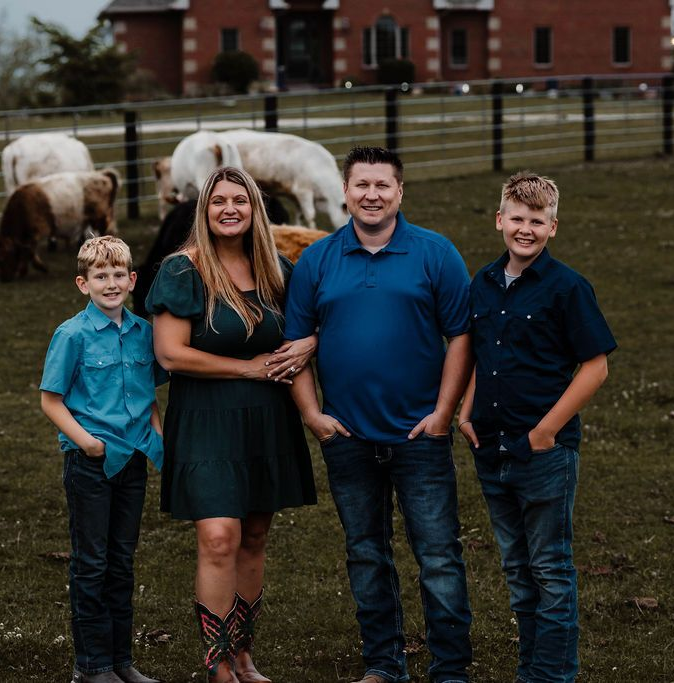
WELCOME TO MINI MOO CREW
We're a
family-operated farm nestled in the heart of central Iowa, where we raise Mini Scottish Highland, Highparks, and HiBelts.
We work directly with customers to
match families and individuals across the United States with the perfect cow-mate.
QUESTIONS ABOUT OUR MINI HIGHLAND COWS FOR SALE?
Text Jamie:
515-419-4292
CHECK OUT OUR OTHER EXPERT GUIDES
mini highlands foR sale
Mini Highland calves are our specialty. And we have some cuties for sale.
FluffY coW picS
Here for the cuteness? We've got you covered. Come say hi to our pasture pets.
QuAlity
We pride ourselves in taking special care of our farm animals each and every day.