
Your Complete Guide to Raising Mini Highland Cows
EXPERT MINI HIGHLAND COW GUIDE SERIES | MINI MOO CREW
CALVES FOR SALE:
How To Prepare Your Property To Care for a Mini Highland Cow
Buying a mini highland cow is such an exciting adventure, but before you start imagining fluffy photos, morning feedings, and your new mini moo becoming the neighborhood favorite, there’s one important question to ask first: is your property actually ready to house a mini highland cow?
Because one of the biggest mistakes first-time owners make is focusing so much on choosing the perfect calf that they forget to prepare the environment the calf is coming home to.
And that’s a big no no! Knowing how to care for a mini highland cow starts longggg before your mini moo ever comes home.
It starts with your land and property, so if you’re in the market for buying a mini highland cow (or if you’ve already put down a deposit for one!), getting your property in working order for your mini moo is a must.
In this blog post, we’re breaking down everything you need to know about how to prepare to care for a mini highland cow, including shelter and fencing, water and feeding, vet needs, grooming, and daily care and observation.
How Much Land Do You Need for a Mini Highland Cow?
Let’s start with your space because this is one of the most important things to consider before bringing home a mini highland cow!
Exact acreage needed for your mini highland cow can vary based on pasture quality and management style, but a general guideline is at least ½ to 1 acre per mini cow for grazing.
With that said, however, we always say that more land is always beneficial if pasture rotation is limited!
If you are working with high-quality rotational grazing systems, you may be able to support more animals per acre. However, overgrazing can quickly lead to land degradation, so space planning is important from the start.
Minimum Space Requirements for Mini Highland Cows
If you’re planning a small herd, a good starting point is:
- 1 cow: ½–1 acre minimum
- 2–3 cows: 1–3 acres recommended
- Larger herds: rotational grazing system strongly encouraged
It’s less about a strict number and more about ensuring they always have access to fresh forage and space to move comfortably.
How To Plan for Future Herd Expansion
If there’s one thing I’ve learned from working with mini highland owners over the years, it’s this: very few people stop at just
one
mini moo.
Mini highland cows are naturally social animals, and once people experience how much personality and joy they bring to a property, it’s pretty common to start thinking about adding a second… or third.
That’s why we always encourage buyers to think beyond their current setup and ask themselves what their property might look like 1–2 years from now.
When thinking about expanding your herd of mini highland cows, it’s important to consider things like:
- Do you have enough pasture space if you decide to add another cow later?
- Is your shelter large enough to comfortably house multiple animals?
- Will your fencing, gates, and feeding areas still work if your herd grows?
Planning ahead now can save you from expensive upgrades later!
Rotational Grazing vs. Static Pastures
Once you know how much space your mini highland cow needs, the next thing to think about is how that land will actually be
used.
Many first-time owners start with a single pasture, also known as a static pasture, where their mini cow grazes in the same area every day. And while this can work in some situations, rotational grazing is often the healthier long-term option for both your land and your animals.
Rotational grazing simply means dividing your pasture into smaller sections and moving your mini highland cow between them throughout the season.
Rotational grazing for your mini highland cow can help:
- Prevent overgrazing
- Encourage healthier grass regrowth
- Reduce mud buildup in high-traffic areas
- Support parasite management
- Keep your pasture productive longer
If your property allows for it, rotational grazing can make a huge difference in the long-term health of your land and your mini moo!
Build a Safe Shelter Before Your Mini Moo Arrives
In addition to adequate pasture access, mini highland cows often need access to safe shelters that are specifically designed for them, especially during extreme hot or cold seasons.
Is a Mini Cow Barn a Requirement for Mini Highland Cows?
Before buying a mini highland cow, a lot of people ask this question…
is a mini cow barn
actually
necessary?
Mini highland cows are known for being hardy animals, especially in colder climates thanks to their thick double coats. So technically, a fully enclosed barn isn’t
always required.
However,
some type of mini highland cow shelter absolutely is!
Your mini highland cow should always have access to shelter from heavy rain, snow and ice, strong winds, extreme summer heat, and muddy or wet conditions.
Instead of a mini cow barn, this could alternatively look like:
- A three-sided loafing shed
- A run-in shelter
- A properly ventilated mini cow barn
- A wind-protected covered structure
The goal with your mini highland cow shelter isn’t to provide some luxurious situation that feels high maintenance. It’s simply to provide protection, comfort, and give your cow a clean, dry place to rest year-round!
What a Mini Highland Cow Shelter Should Include
Whether you opt for a mini cow barn or some type of alternative shelter for your mini highland, a proper shelter should provide dry bedding space, protection from wind, rain, and snow, and shade during hot summer months.
The space itself doesn’t need to be elaborate, but it does need to be well-ventilated (without being drafty), clean and regularly maintained, and large enough for all animals to comfortably lie down at the same time.
How Big Should a Mini Highland Cow Shelter Be?
As mentioned earlier, your mini highland cow shelter doesn’t need to be elaborate, but it does need to give your mini highland cow enough space to comfortably move, lie down, and get out of the elements.
As a general rule, many owners plan for at least 40–60 square feet per mini cow in a covered shelter space. If you plan to house multiple animals together, you’ll want to scale that accordingly.
And if you live somewhere with long winters (like we do here in Iowa), a little extra space is always appreciated during colder months when animals may spend more time under cover!
Seasonal Shelter Planning
One of the biggest mistakes new mini highland cow owners make is only planning for the season they’re bringing their calf home in. But mini highland cow care is a year-round commitment, which means your shelter needs to work in every season.
For Colder Climates:
Mini highlands do incredibly well in winter, but they still need wind protection, cry bedding, shelter from freezing rain or ice, and water systems that won’t freeze.
In Warmer Climates:
Mini highland cows have thick coats which means summer heat can be more challenging. For this reason, it’s important to ensure that your set up includes:
- access to adequate shade throughout the day
- strong airflow and ventilation
- access to cool, clean water
- mud-free areas to rest
Planning for both hot
and
cold seasons ahead of time can make your mini moo much more comfortable year-round!
Install Safe and Secure Fencing
Fencing is one of the most important investments you’ll make for your mini highland cow setup, because while mini moos are generally pretty calm, the reality is that they are
still cattle!
This means that secure fencing is essential to owning a mini highland cow.
Best Fencing Options for Mini Highland Cows
Recommended fencing options for your mini highland cows include:
- high-tensile woven wire fencing
- no-climb livestock fencing
- reinforced post-and-rail systems (with proper spacing)
Recommended Fence Height and Spacing
As far as the height of your mini cow fencing, it should typically be at least 4 to 5 feet, depending on terrain and herd dynamics.
Common First-Time Fencing Mistakes
A lot of first-time owners assume mini cows need “mini fencing.” But unfortunately, cattle don’t always care about your assumptions. 😅
Some of the most common fencing mistakes we see include:
- Using fencing that’s too short
- Leaving gaps around gates or corners
- Using lightweight fencing meant for pets instead of livestock
- Forgetting calves can squeeze through wider openings
- Not securing feed or mineral areas near fence lines
Mini highlands are generally calm animals, but they’re also naturally curious, which is why proper fencing is so important!
Not only does a strong, secure fence protect your cow – it also protects your neighbors, your property, and your peace of mind.
Set Up Water and Feeding Stations Before Arrival
A huge part of
caring for your mini highland cow is ensuring that you have the proper water and feeding stations set up before your mini moo’s arrival!
What Do Mini Highland Cows Eat?
A mini highland cow’s diet primarily consists of high-quality hay and pasture grass. These two things make up the bulk of their nutrition year-round and are essential for keeping them healthy, happy, and maintaining proper body condition!
In most cases, a well-managed pasture can provide a large portion of their daily intake during spring, summer, and early fall. However, hay becomes the primary food source during colder months or when pasture growth slows.
Depending on the animal’s age, size, and overall condition, some mini highland cows may also benefit from:
- mineral supplements (especially free-choice minerals designed for cattle)
- limited grain supplementation (typically used only when needed for weight gain, pregnancy, or growth support)
- electrolytes or nutritional support during extreme weather or stress.
It’s important to note that mini highland cows are efficient grazers!
They do not typically require heavy grain feeding like some other livestock breeds, and overfeeding grain can actually lead to health issues.
Hay Feeders and Mineral Stations
Before you bring your mini highland cow home, it’s important to have designated feeding areas already in place. A good hay feeder helps keep hay clean and dry, reduce waste, and prevent feed from being trampled into mud or manure.
In addition to hay, your mini highland cow should also have access to free-choice minerals formulated specifically for cattle. Mineral feeders should be covered from rain, easy to refill, and placed in an area your cow can access comfortably
Having these stations set up ahead of time helps your calf settle into a routine much faster!
Fresh Water Access Year-Round
In addition to having access to adequate amounts of grass for grazing, water is also essential for your mini highland cow care, and it’s often one of the most overlooked parts.
On average, a mini highland cow will drink several gallons of water per day, and that amount increases significantly during hot weather, lactation, or high activity levels.
Fresh, clean water should always be available and in winter climates, it must be kept from freezing.
Create a Feeding Routine Before Your Mini Cow Comes Home
One of the easiest ways to help your mini highland calf adjust to a new environment is consistency.
Before your calf even comes home, it’s important to think through:
- What time will morning feedings happen?
- Who will handle feeding if you’re away?
- Where will hay and minerals be stored?
- How will feeding change during winter months?
Cattle thrive on routine and having a predictable feeding schedule helps reduce stress and build trust faster.
Creating a feeding routine and schedule beforehand also helps YOU adjust to the new normal as well, because honestly… bringing home a mini highland cow is kind of like bringing home a baby. 😂
Suddenly you have new daily responsibilities and it’s better to have an idea for how it’s going to look
before you’re in the thick of it!
Build Your Mini Highland Cow Care Team Early
Just like any average house pet needs a vet, your mini highland cow is no different!
Before bringing your mini moo home, it’s important to establish a relationship with a trusted large-animal vet so that you can easily jump right into standard vet care for your mini highland cow.
Find a Large Animal Vet Before You Need One
Even if your mini highland cow appears perfectly healthy, routine veterinary care is essential.
Most owners work with a large-animal vet to establish a baseline care schedule that includes:
- Annual or bi-annual wellness checks
- Core vaccinations based on your region
- Hoof evaluations
- Parasite monitoring and prevention
Because cattle are prey animals, they are also very good at hiding illness, which is why regular vet check-ins are key! Routine visits can help catch small issues before they become larger problems.
Questions To Ask Your Vet
Before scheduling your first visit, it’s often helpful to ask a few questions so you know you’re finding the right fit!
Some good questions to ask a large animal vet before they care for your mini highland cow include:
- Do you regularly work with cattle or miniature cattle?
- Do you offer emergency or after-hours care?
- What vaccines do you recommend in our area?
- Do you offer hoof care or referrals?
- What parasite prevention protocol do you typically recommend?
Building this relationship early helps you feel more confident if something unexpected ever comes up!
Other Local Resources To Establish
Your veterinarian is an important part of your mini highland cow care team, but they’re not the
only support system you’ll need.
Before bringing your mini moo home, it’s smart to identify a few other local resources too, including:
Hoof Trimmers
Hoof health is one of the most important parts of caring for a mini highland cow. In natural grazing environments, movement helps wear hooves down, but in smaller pastures or softer ground conditions, hooves may need periodic trimming.
Most mini highland cows will need a professional hoof trim on a routine schedule depending on their environment, so even if your mini highland doesn’t need immediate hoof care, having a trusted contact ahead of time is helpful!
Hay Suppliers
Feed shortages and seasonal pricing changes happen, especially during drought years, so building relationships with reliable hay suppliers early can save you stress later.
Livestock Transport Contacts
Whether you need help bringing your calf home or transporting them in the future, knowing who to call ahead of time is always a good idea.
If you’re
buying a cow from us here at Mini Moo Crew, you don’t have to figure this part out alone though! We have trusted relationships with reputable livestock transporters and connecting you with them is a key part of our buying process.
Learn Basic Grooming Before Bringing Your Cow Home
One of the most recognizable traits of a mini highland cow is its long, shaggy coat. This is really the thing that makes mini moos stand out among the rest, but that beautiful coat doesn’t just stay looking beautiful on its own – it requires regular maintenance!
Why Grooming Matters for Mini Highland Cows
Regular grooming of your mini highland cow helps prevent matting, remove debris, support skin health, and improve overall comfort.
While they are naturally self-maintaining to some degree, especially in outdoor environments, brushing becomes more important if they’re handled regularly, they’re being prepared for shows or events, or if they live in muddier or wetter climates.
How To Groom a Mini Highland Cow
If you’re wondering how to groom a highland cow, the good news is it doesn’t have to be complicated, but consistency does matter!
We recommend focusing on:
- Brushing – regular brushing helps remove dirt, loose hair, and debris while preventing matting
- Blow Drying – many mini highland owners use blow dryers (especially before photos, events, or shows) to help fluff the coat and keep it clean. Though it seems silly and high maintenance, it’s often what makes them look oh so cute!
- Coat Checks – during grooming sessions, it’s important to check your mini highland cow for skin irritation, parasites, burrs or debris, and excess shedding or dry patches.
Overall, grooming your mini highland cow isn’t just about appearance – it’s also one of the best ways to bond with your mini moo and monitor their overall health!
To make sure you’re well prepared to properly groom your mini highland cow, we recommend purchasing brushes, a blow dryer, halter and lead, and coat sprays (if applicable) in advance!
How To Get Your Mini Cow Comfortable With Handling
One of the most important parts of raising a well-adjusted mini highland cow is teaching them from an early age that human interaction is normal, safe, and positive.
But this doesn't happen overnight! It’s built through consistent, calm, everyday handling that starts long before your mini moo ever leaves the breeder’s property.
Here’s what this often looks like:
Touch Training
Touch training is exactly what it sounds like – getting your mini cow comfortable being touched in different areas of their body.
This typically starts slowly and gently, beginning with the neck and shoulders, back and sides, and under the chin and chest. Over time, this expands to more sensitive areas like the legs, belly, and face.
The goal with touch training isn’t just tolerance – it really is all about trust! A calf that is used to being handled is significantly easier to work with for everything from grooming to vet care later in life.
Feet Handling
Feet handling is one of the most overlooked (but most important) parts of early training for a mini highland cow.
As mentioned above, mini highland cows will eventually need routine hoof care, so getting them comfortable with having their feet lifted and touched early on makes a huge difference.
This process is usually introduced gradually by:
- Gently touching the legs during calm interactions
- Briefly lifting each foot for just a few seconds at a time
- Pairing handling with positive experiences like brushing or treats
- Building duration slowly as the calf becomes more comfortable
A cow that accepts foot handling calmly is much easier (and safer) for hoof trimming as an adult.
Halter Introduction
Halter training is another foundational piece of early handling for mini highland cows.
A halter allows you to safely guide and move your mini highland cow when needed, whether that’s for veterinary visits, transport, or general management.
Early halter introduction typically involves:
- Allowing the calf to become familiar with the halter visually and through smell
- Brief, low-pressure wear sessions
- Short leading practice in a calm, enclosed area
- Gradually increasing duration and movement as confidence builds
To support handling comfort, here at
Mini Moo Crew, all of our calves are handled daily from birth and are raised around people, making them extremely social and well-adjusted!
Before leaving our farm, calves are also started on a halter to help make the transition easier for their new families.
MINI HIGHLAND COWS FOR SALE
Sunny
Ohmy
Dolly
Rudy
Max
Dutton
Create a Daily Care and Observation Routine for Your Mini Highland Cow
Establishing a daily care and observation routine before you bring your mini highland cow home is one of the best things to do for yourself to reduce stress and overwhelm once the cow is actually on your property.
Doing this ahead of time can help you plan your daily schedule accordingly and ensure that you’re allotting enough time to do everything that your mini cow needs on a daily basis!
How To Care for a Mini Highland Cow on a Daily Basis
The good news is that daily care for your mini highland cow doesn’t need to be complicated, but rather consistent so that your mini cow always knows what to expect.
A typical daily routine for mini highland owners often includes:
- Water Checks – make sure water is fresh, clean, and accessible
- Feed Checks – monitor hay intake, mineral access, and appetite.
- Behavior Observation – pay attention to your cow’s energy level, posture, and social behavior
- Fence Walkthrough – quickly check your fencing, gates, shelter areas, and feeding stations for anything that needs attention
Just 10–15 minutes of intentional observation each day can help you catch issues early!
Why Socialization Matters for Mini Highland Cows
Mini highlands are incredibly intelligent and often very people-oriented when handled properly from a young age.
Regular interaction helps build trust, reduce stress during vet visits, make halter training easier, and improve grooming and hoof care experiences.
This is one of the reasons we focus so heavily on daily handling
here at Mini Moo Crew with our calves, because a socialized calf often transitions much more smoothly into its new home!
Signs Something May Be Off with Your Mini Highland Cow
Because cattle are prey animals, they’re naturally good at hiding discomfort, which means that paying attention to even small behavioral changes is so important.
Some early warning signs that something might be “off” with your mini highland cow include:
- Appetite changes
- Pulling away from the herd
- Limping or stiffness
- Reduced energy or curiosity
- Changes in manure consistency
- Excessive laying down or reluctance to move
If something feels off, trust your instincts and contact your vet early! It’s better to have your mini cow checked than to ignore the signs and something more extreme occur later.
Final Property Checklist Before Your Mini Highland Cow Comes Home
So, there’s the nitty gritty on what you need to know about caring for a mini highland cow and all of these things are things you want to have fully established BEFORE you bring your mini moo home.
If you’re the type of person that likes to see things as a checklist, here’s a quick review:
✔️ Ensure that you have plenty of pasture space allotted for your cow
✔️ Install secure fencing
✔️ Set up your mini cow barn or shelter and make sure it’s well-equipped for extreme cold and hot seasons
✔️ Ensure that fresh water access is available year-round
✔️ Set up hay and mineral feeders
✔️ Establish a relationship with a large-animal vet and save their contact
✔️ Purchase any necessary grooming tools and supplies
✔️ Establish a daily care routine
✔️ Create a companion plan if you’re bringing home multiple cows
Ready to Bring Home a Mini Highland Cow?
Knowing how to properly care for your mini highland cow before you bring them home is one of the best things you can do to ensure that your mini moo truly thrives in its new environment!
Something that we really pride ourselves on here at Mini Moo Crew is that you’re not just
buying a mini highland cow from us.
Beyond the purchase itself, we focus heavily on education and support so that you can have the best experience with your mini moo. Whether a buyer is experienced or brand new to mini cattle, we are always available to answer questions and help guide them through the process!
Our hope is that this blog post gives you all the information you need to properly prepare your property before bringing your mini highland cow home!
If you’re ready to buy a mini highland cow, we’ve got some of the sweetest and cutest little guys and gals you’ve ever seen and we’d love to help find the one that’s the best fit for you. You can
CLICK HERE to browse our available mini highland cows!
🐮
Frequently Asked Questions About Bringing a Mini Highland Cow Home
How much land does a miniature cow need?
A mini highland cow typically needs at least ½ to 1 acre for grazing, depending on pasture quality and how the land is managed.
If you’re using rotational grazing systems or have especially productive pastures, you may be able to support slightly more efficient land use, but in most cases, giving your mini cow more space is always beneficial for long-term health, pasture quality, and overall well-being.
What kind of shelter does a mini highland cow need?
A mini highland cow needs a dry, well-ventilated shelter that protects them from wind, rain, snow, and extreme heat.
Do mini highland cows need a barn?
Not always! But they do need shelter of some kind. Whether that’s a barn, loafing shed, or run-in shelter, it doesn’t matter as long as it provides protection from the elements
How do you prepare fencing for a mini highland cow?
Most mini highland cow setups use high-tensile woven wire fencing, no-climb livestock fencing, or reinforced post-and-rail systems. Fencing should generally be 4–5 feet tall, with secure corners and gates that are properly reinforced.
Do mini highland cows need a companion?
Yes, mini highland cows are highly social herd animals, and they thrive best with at least one companion. This can be another cow, a small herd mate, or in some cases another compatible livestock animal, but isolation is not ideal for their long-term well-being.
How do you groom a highland cow?
Regular grooming includes brushing their coat, removing debris, and preventing matting, along with occasional deeper coat maintenance.
What should I do before bringing home my mini highland calf?
Before bringing your mini highland calf home, your property should be fully set up to support their transition.
This includes:
- Secure fencing with no weak points
- A dry, safe shelter or barn space
- Fresh water access year-round
- Hay and mineral feeding stations
- A basic feeding and care routine
- A relationship established with a large-animal vet
- Grooming and handling tools ready
- A plan for socialization and daily interaction
Preparing in advance helps reduce stress for your mini moo and ensures they settle into their new environment as smoothly as possible!
WELCOME TO MINI MOO CREW
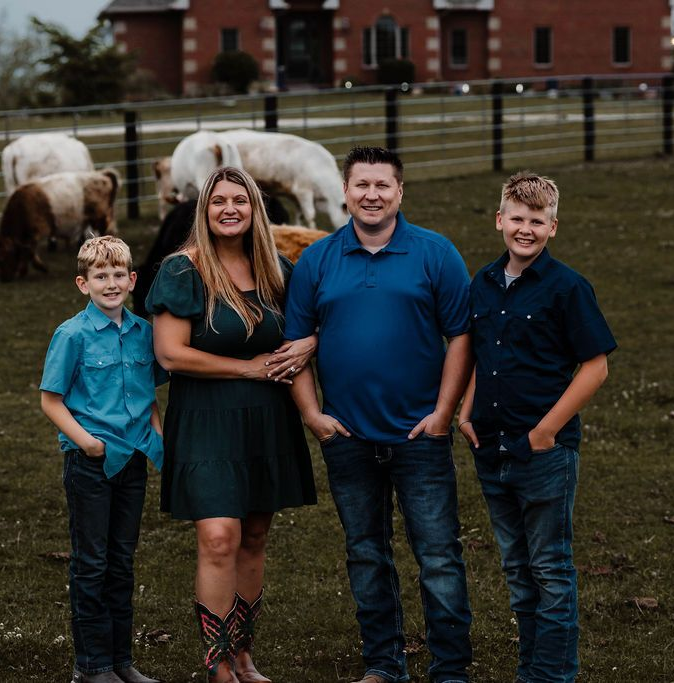
We're a
family-operated farm nestled in the heart of central Iowa, where we raise Mini Scottish Highland, Highparks, and HiBelts.
We work directly with customers to
match families and individuals across the United States with the perfect cow-mate.
QUESTIONS ABOUT OUR MINI HIGHLAND COWS FOR SALE?
Text Jamie:
515-419-4292
CHECK OUT OUR OTHER EXPERT GUIDES
mini highlands foR sale
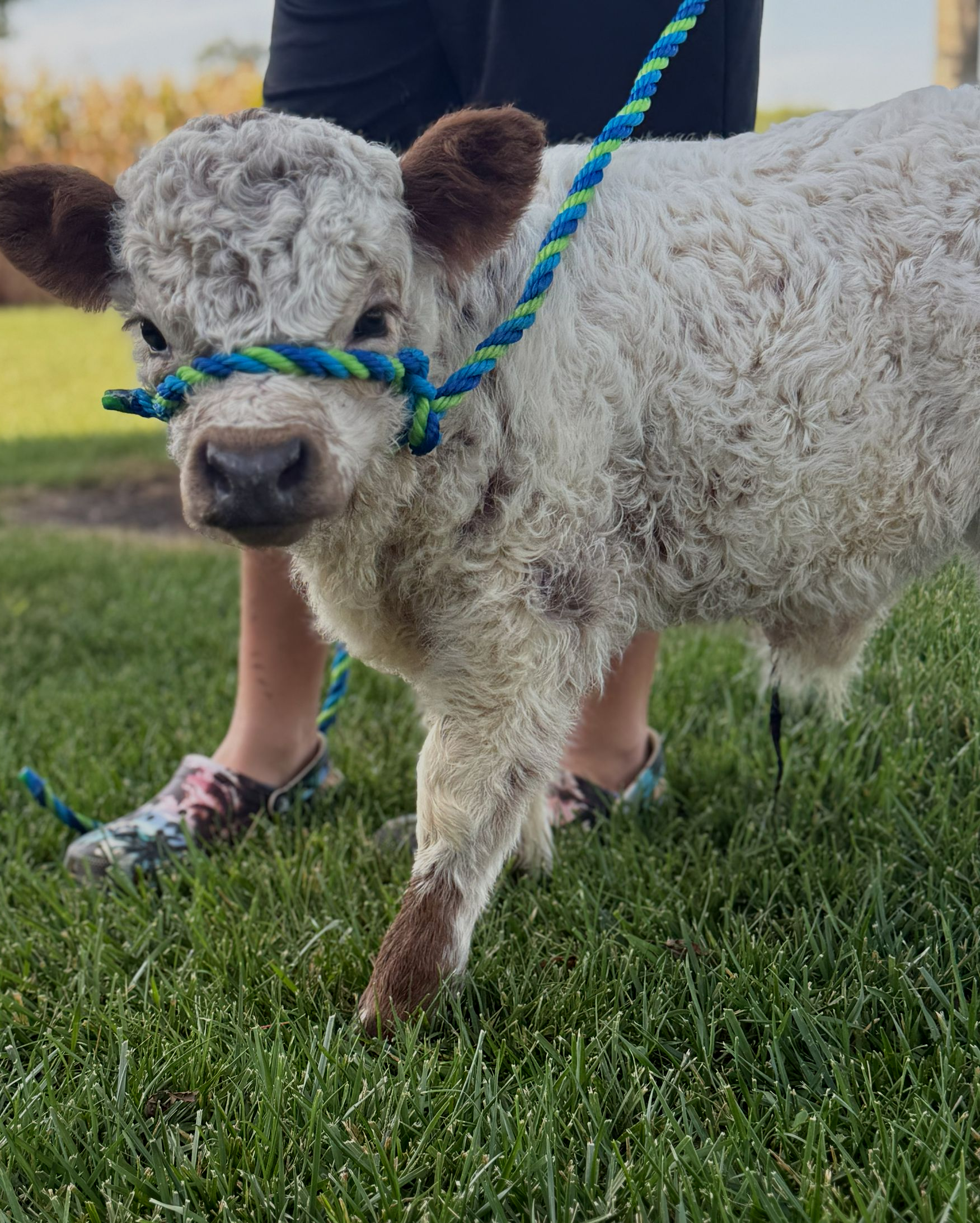
Mini Highland calves are our specialty. And we have some cuties for sale.
FluffY coW picS
Here for the cuteness? We've got you covered. Come say hi to our pasture pets.
QuAlity
We pride ourselves in taking special care of our farm animals each and every day.