
Your Complete Guide to Raising Mini Highland Cows
EXPERT MINI HIGHLAND COW GUIDE SERIES | MINI MOO CREW
CALVES FOR SALE:
Mini Highland Cow Size and Growth Guide: How Big Do Mini Highland Cows Get?
When you’re interested in buying a mini highland cow, you inevitably start to wonder… “how big do mini highland cows get?”
And it’s a good question! Because even though “mini” is in their name, they’re
still cattle, which means they’re naturally going to grow into being a bit bigger than your average house pet.
But
how big are we talking? That’s the main question that this guide will answer!
If you’ve been dreaming about adding a mini moo to your farm or property, but you’ve been wondering whether their size will realistically fit your space, keep reading.
In this guide, we’re breaking down everything you need to know about mini highland cow size, growth stages, weight ranges, and what to expect once your calf is fully grown.
How Big Do Mini Highland Cows Get?
One of the biggest misconceptions about mini highlands is that “mini” means tiny.
And while they are significantly smaller than traditional highland cattle, they are still livestock, which means a full-grown mini highland cow will absolutely have a noticeable presence on your property!
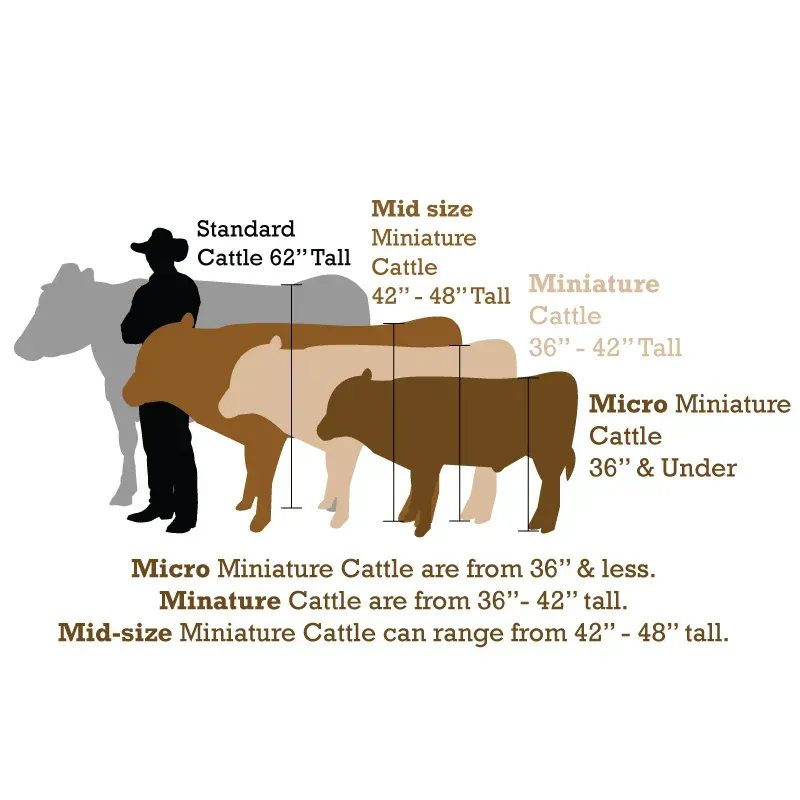
Depending on genetics, breeding, and size classification, most miniature highland cattle typically mature somewhere between 36–48 inches at the hip, with weight often ranging anywhere from 500 to 1,000+ pounds.
That range exists because mini highland cattle generally fall into three size classifications: micro mini, mini, and midsized miniature.
So yes, they’re mini! But they’re definitely not pocket-sized
Mini Highland Cow Size at Full Maturity
When people ask about mini highland cow size, what they’re usually trying to understand is what their calf will eventually grow into and the truth is, size can vary more than most people realize.
At full maturity, mini highland cows generally fall into one of these three categories:
Micro Mini Highland Cows Size and Weight
Micro minis are the smallest size category of mini highland cows.
They typically mature at 36 inches or under at the hip and often weigh somewhere around 500–700 pounds fully grown, depending on genetics, bone structure, and overall body condition.
Because of their compact size, teddy-bear appearance, and selective breeding, micro mini highland cows are often in especially high demand!
Mini Highland Cows Size and Weight
Mini highlands fall into the middle size category and are often what many buyers picture when they think of a “mini cow.” They typically mature around 36–42 inches at the hip and often weigh approximately 600–800 pounds fully grown.
For many owners, this size offers a great balance between manageable stature and the classic fluffy highland look!
Midsized Miniature Highland Cows Size and Weight
Midsized miniature highlands are the largest of the miniature classifications, while still remaining smaller than full-size highland cattle. They typically mature around 42–48 inches at the hip and may weigh anywhere from 800–1,000+ pounds depending on genetics, nutrition, and frame.
Many buyers love midsized minis because they still offer the miniature cattle experience while often maintaining a slightly more traditional cattle build!
How Mini Moo Crew Measures and Classifies Size
At
Mini Moo Crew, we classify size based on a combination of:
- Mature height at the hip
- Parent genetics and bloodlines
- Chondro status (when applicable)
- Frame, structure, and growth patterns over time
This gives buyers a more realistic expectation of what their calf may mature into.
Because while we can make educated predictions based on genetics, every calf is still an individual. And that’s part of what makes them so fun!
How Fast Do Mini Highland Cows Grow?
One of the most exciting parts of bringing home a mini highland calf is watching them grow, but unlike dogs or smaller livestock, cattle grow gradually over several years.
Generally speaking, here’s what you can expect when it comes to mini highland cow growth:
Birth to 6 Months: Calf Growth Stage
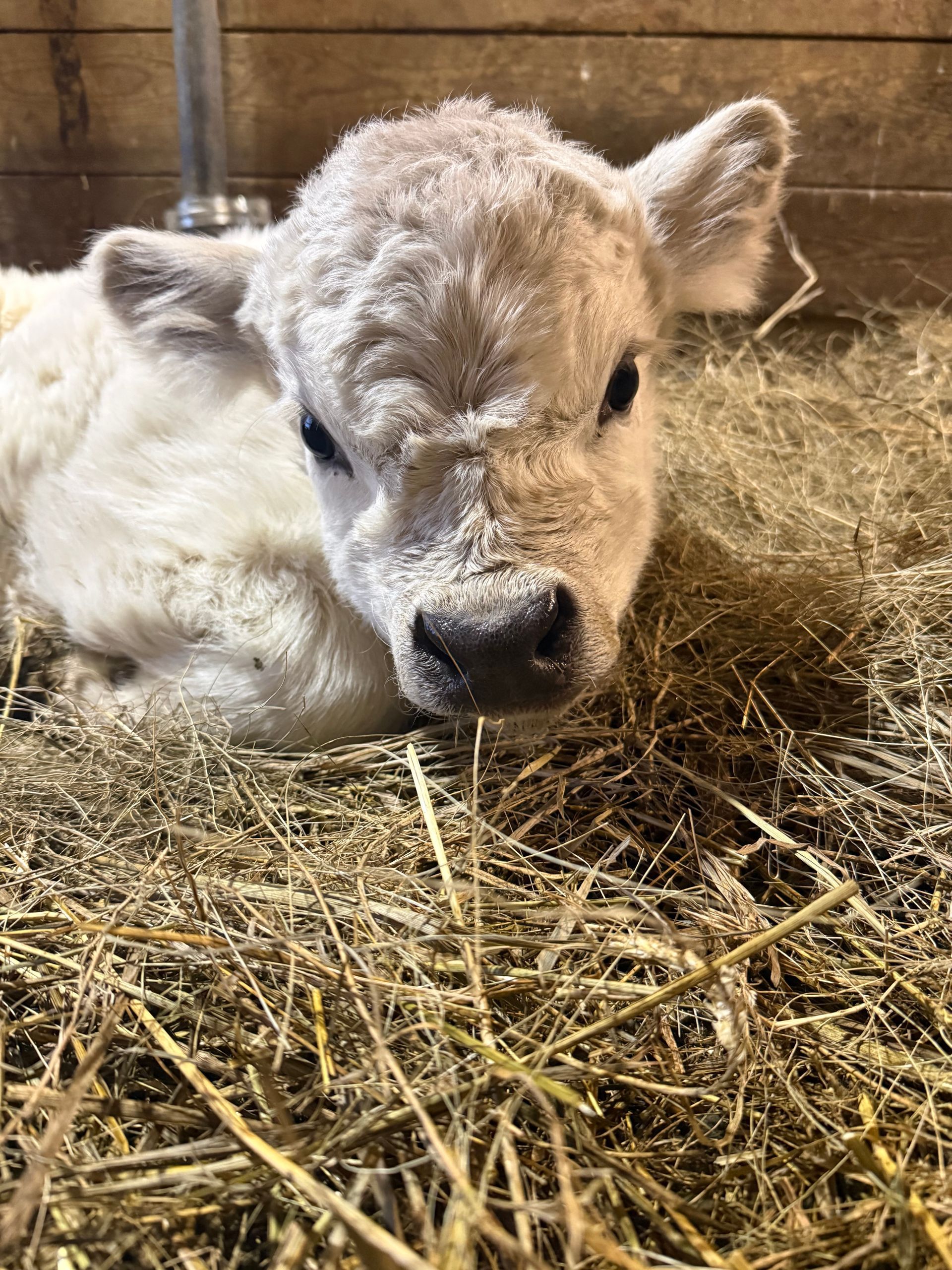
A mini highland calf is typically born weighing somewhere around 40–70 pounds at birth.
During the first six months, calves experience some of their fastest growth. During this stage, they focus heavily on:
- Nursing or bottle feeding
- Building muscle and bone structure
- Developing their digestive system
- Learning herd behavior and socialization
By 6 months, many calves may weigh 150–300 pounds, depending on genetics and nutrition.
6 Months to 2 Years: Yearling Stage
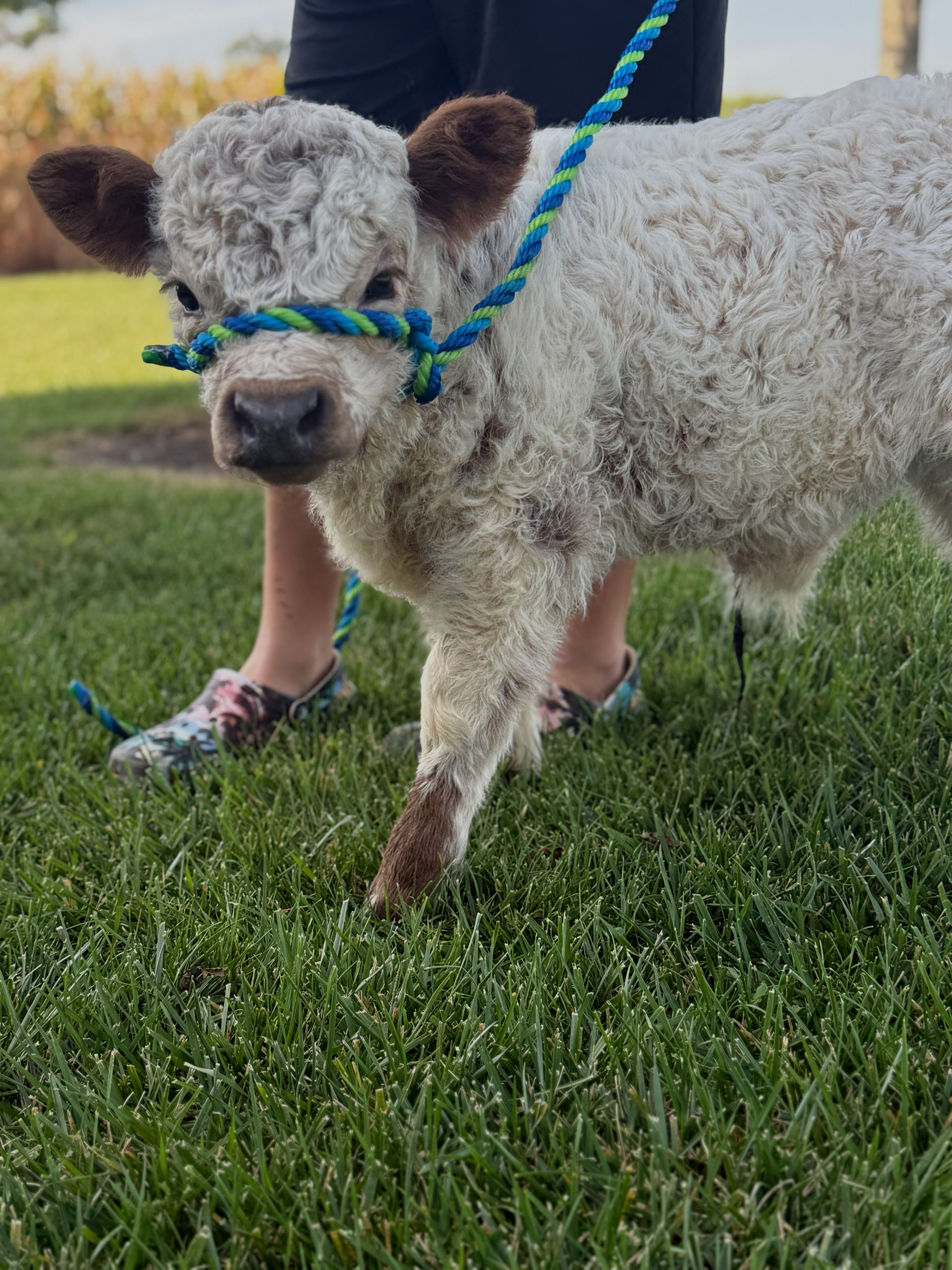
From 6 months through 2 years, mini highlands continue building frame, muscle, and coat development. Growth often looks less dramatic during this stage, but important physical development is still happening.
This is also when buyers often start seeing whether their calf is tracking more toward micro mini or standard mini sizing!
Full Maturity: When Mini Highlands Stop Growing
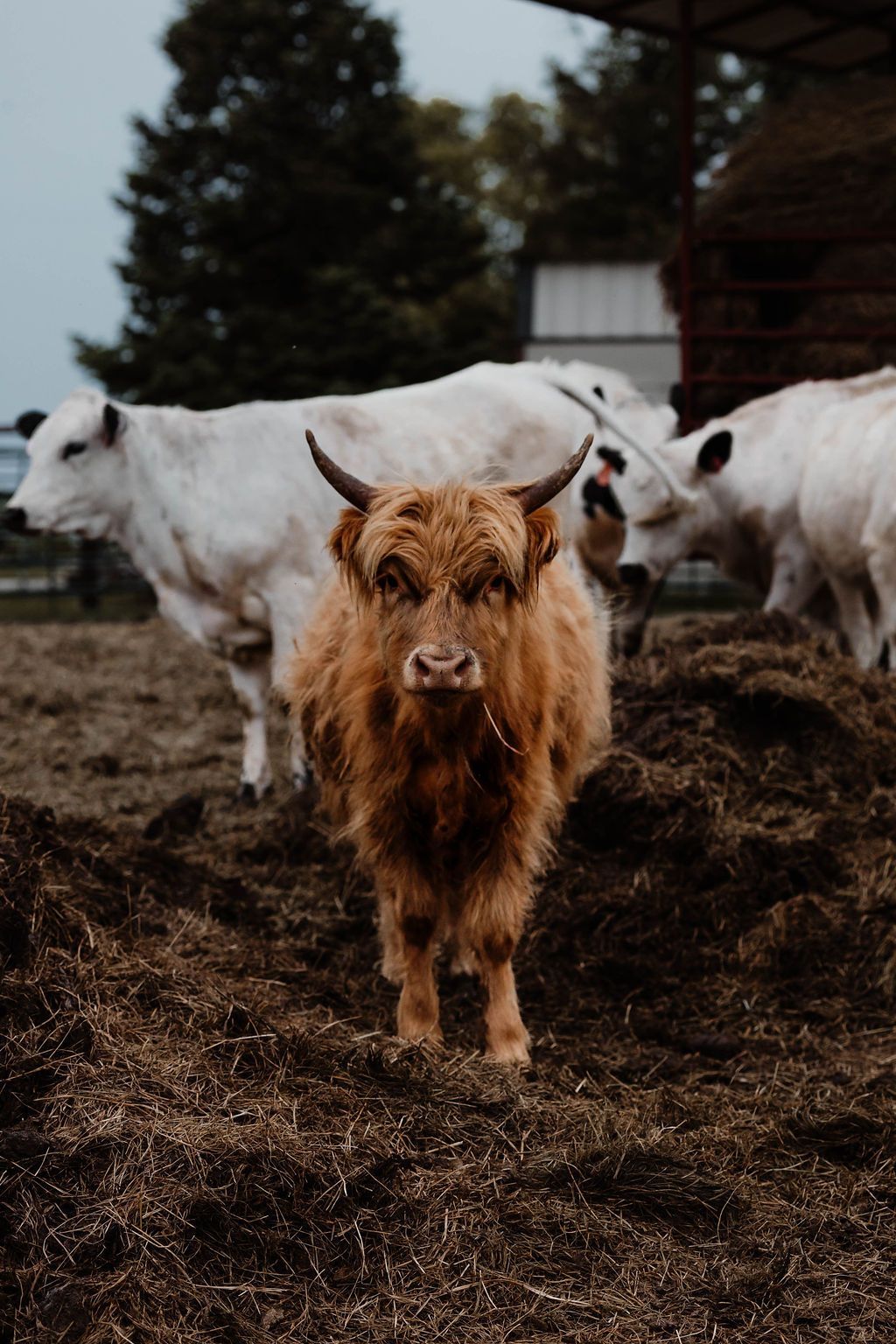
Most miniature highland cows reach their full mature height around 2–3 years old, though some may continue filling out until closer to age 4.
That means if you’re bringing home a calf, there’s still plenty of growing ahead!
Micro Mini vs. Mini vs. Midsized Miniature Highland Cow Size Comparison
When you’re in the market to
buy a mini highland cow, one of the biggest decisions you’ll make is determining which size category is the best fit for your property, goals, and lifestyle.
And oftentimes, this is where many first-time buyers get confused because while people often use “mini cow” as a blanket term, there are actually three miniature size classifications: micro mini, mini, and midsized miniature.
So here’s the easiest way to think about it:
What Is a Micro Mini Highland Cow?
A micro mini highland cow is the smallest size classification of miniature cattle. These cattle typically mature at 36 inches or under at the hip and are often selectively bred for their smaller frame, compact build, and teddy-bear appearance.
Because micro minis are less common and often in high demand, they frequently come with a higher price tag.
If you’re curious about pricing differences between micro minis and other size classifications, be sure to check out our Mini Highland Cow Price Guide!
What Is a Mini Highland Cow?
A mini highland cow falls into the middle size category. These cattle typically mature between 37–42 inches at the hip and often offer what many buyers think of as the “perfect balance” between manageable size and the traditional fluffy highland look.
Mini highlands are often a popular choice for first-time owners because they still maintain that smaller stature while offering a little more frame and substance than micro minis!
What Is a Midsized Miniature Highland Cow?
A midsized miniature highland cow is the largest of the miniature classifications, while still remaining smaller than full-size cattle.
These cattle typically mature between 43–48 inches at the hip and often have a slightly more traditional cattle build while still fitting within miniature standards.
For buyers who love the look of a more substantial highland cow but still want a smaller, more manageable animal, midsized minis can be a great fit.
Size Comparison: Micro Mini, Mini, Midsized Miniature, and Full-Size Highland Cow
If you’re trying to compare your options, here’s a simple size breakdown:
| Highland Cow Classification | Size at Maturity |
|---|---|
| Micro Mini Highland Cow | 36 inches or under at maturity |
| Mini Highland Cow | 37–42 inches at maturity |
| Midsized Miniature Highland Cow | 43–48 inches at maturity |
| Full-Size Highland Cow | 49+ inches at maturity |
As you can see, even within the miniature cattle world, there can be a significant difference in mature size. That’s why working with a breeder who understands genetics, parentage, and size classifications is so important before making your investment!
Does Size Affect Temperament or Care Needs?
One question we often get is whether smaller mini cows are easier to own and we understand where people are coming from with this question!
It’s easy to assume that the smaller the cow, the easier it is to manage and take care of. And while size may influence handling confidence for first-time owners, size alone doesn’t determine temperament.
A mini highland cow’s personality is often influenced more by genetics, socialization, handling from a young age, and herd dynamics.
That’s why before sending a calf home with their owner, here at
Mini Moo Crew, all of our calves are handled daily from birth and are raised around people, making them extremely social and well-adjusted!
Before leaving our farm, calves are also started on a halter to help make the transition easier for their new families. We believe this is something you should look for in a breeder before buying a mini highland cow, as it can really impact the way your mini moo adjusts to their new environment once you take them home.
If your mini highland cow breeder doesn’t prioritize handling or socialization before sending a calf home, it’s a red flag in our book!
As far as care goes, both micro minis and standard minis still need quality nutrition, secure fencing, shelter, veterinary care, and plenty of space to move! All of these things are covered in greater detail in our
Mini Highland Cow Care Guide!
Overall, while the size of highland cows may vary, the responsibility of ownership stays pretty similar!
Does Mini Highland Cow Coat Color Affect Size?
Another question mini highland cow buyers ask is whether coat color affects mini highland cow size and the short answer is
no!
Coat color – whether your mini highland is red, dun, silver, black, brindle, or white – does not determine how large they’ll grow.
Size is strictly influenced by genetics, breeding lines, chondro status, and nutrition and overall health. Color is purely aesthetic!
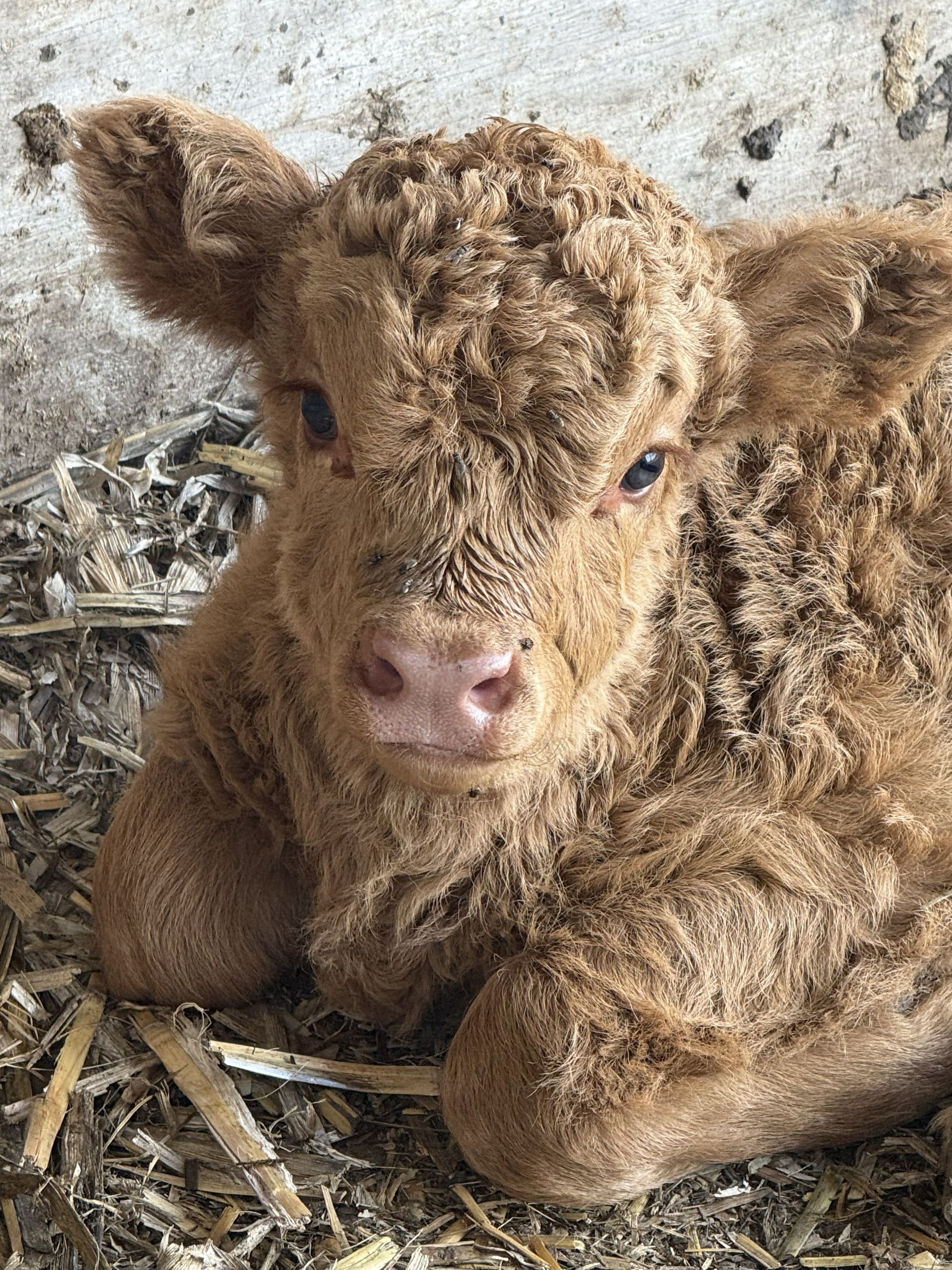
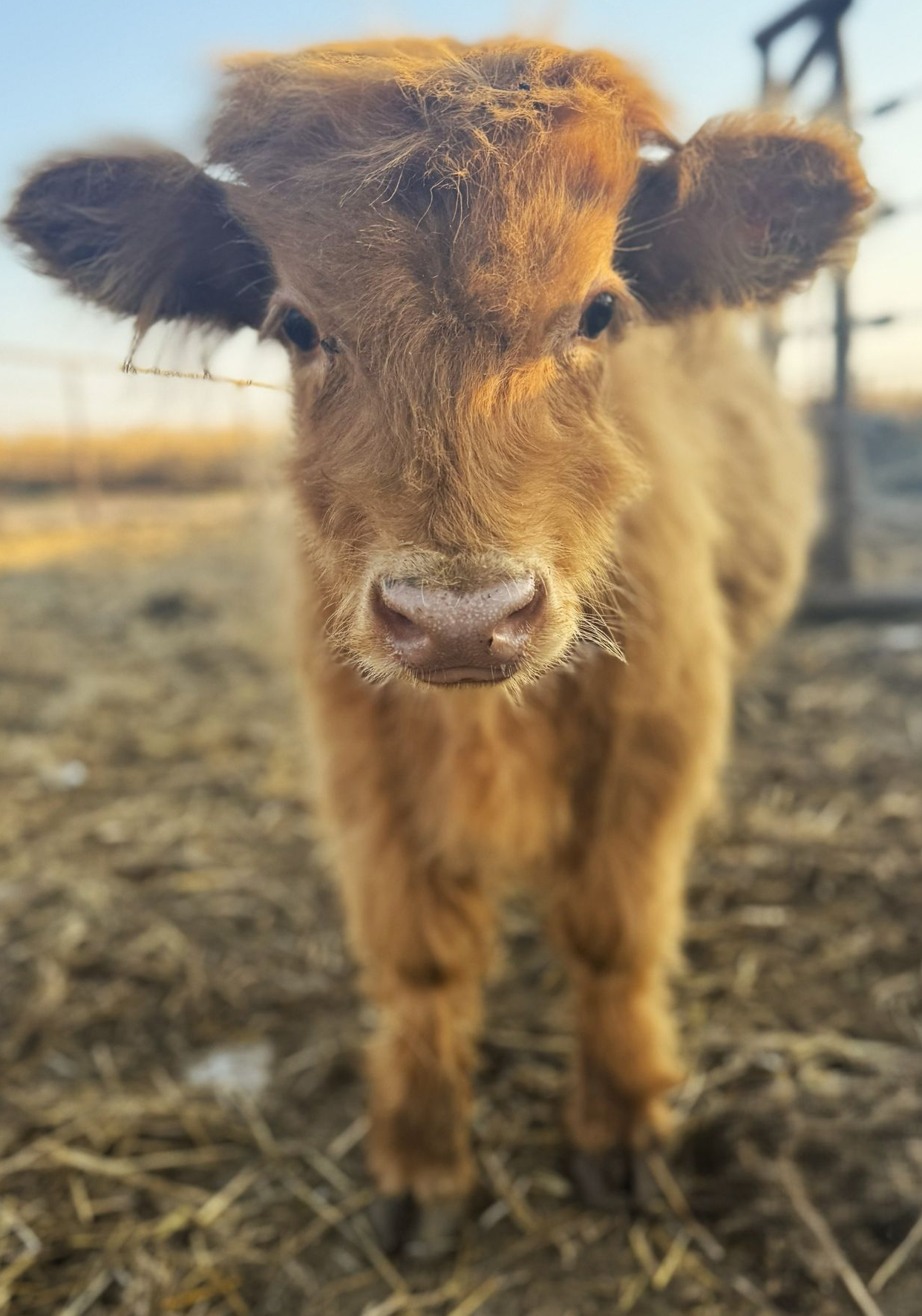
(Though we’ll admit… some colors definitely get more attention on social media,
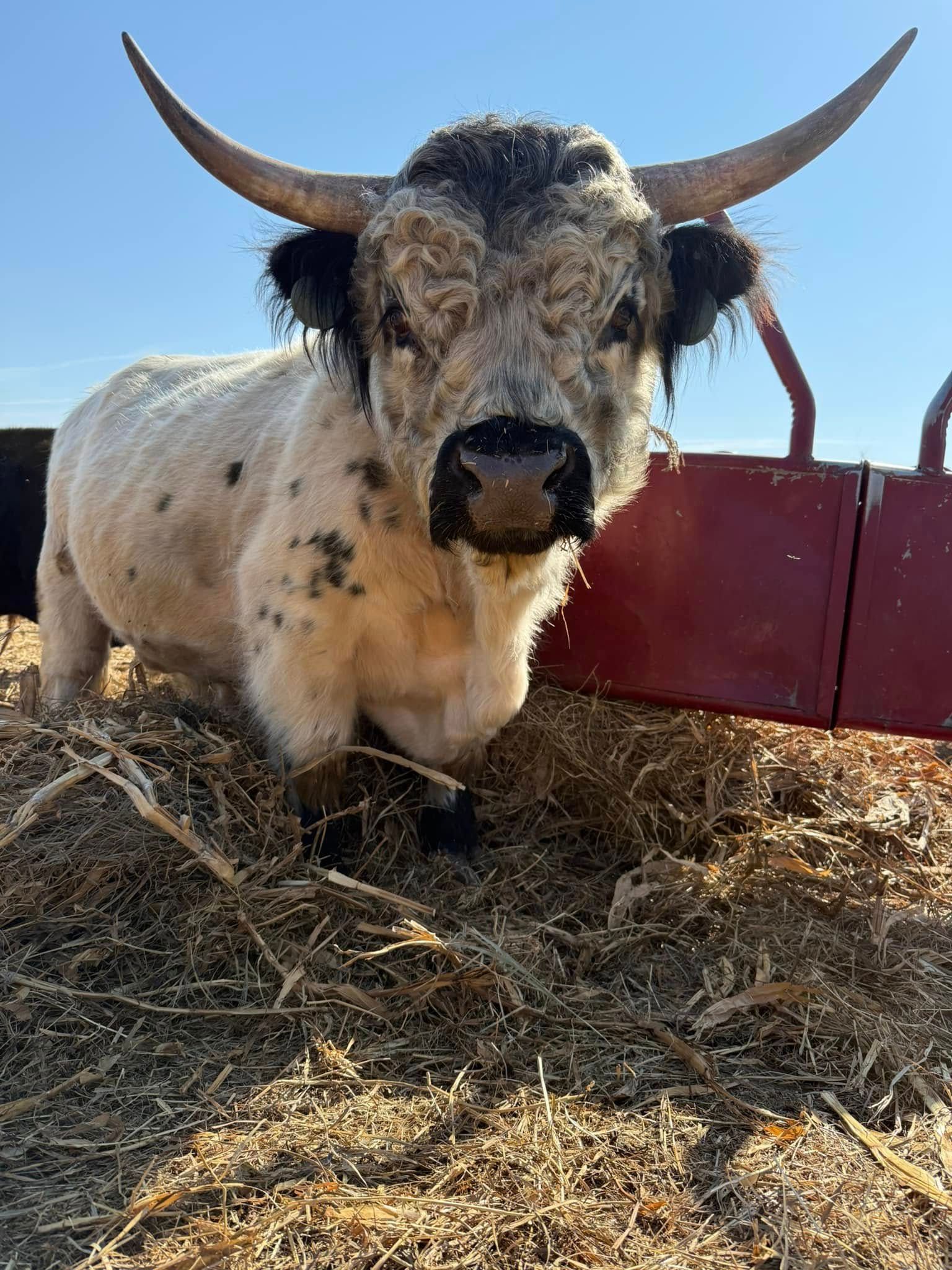
like this little gal!)
HighPark vs. Standard Mini Highland Size Differences
Now that you know the size difference between micro minis, minis, and midsized miniature highland cows, it’s also worth mentioning the difference between highland cows and HighPark cows.
If you’re newer to cattle and you’re just basing your understanding off of pictures, then it’s very easy to confuse the two, but they are pretty different!
A highland cow is the traditional Scottish breed most people picture when they think of mini highland cattle – the cows with long shaggy hair, curved horns, and colors like red, black, dun, silver, or brindle.
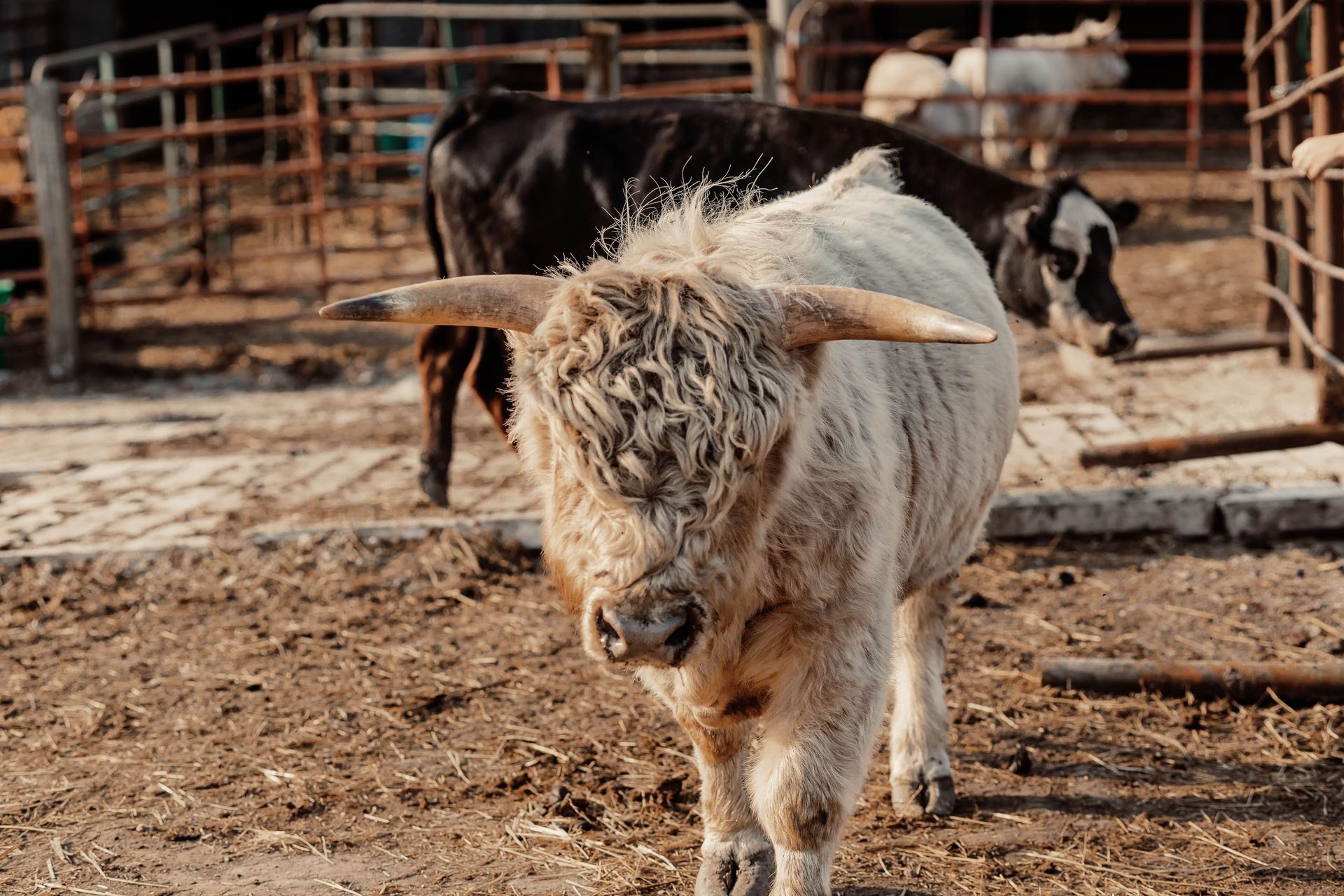
A HighPark cow, on the other hand, is typically a cross between highland cattle and other breeds, most commonly British White Park cattle. This cross often creates a very eye-catching look with:
- White or cream-colored coats with black or dark points
- Contrasting markings around the eyes, ears, or nose
- Fluffy coats similar to Highlands
- A slightly different frame or body structure depending on genetics
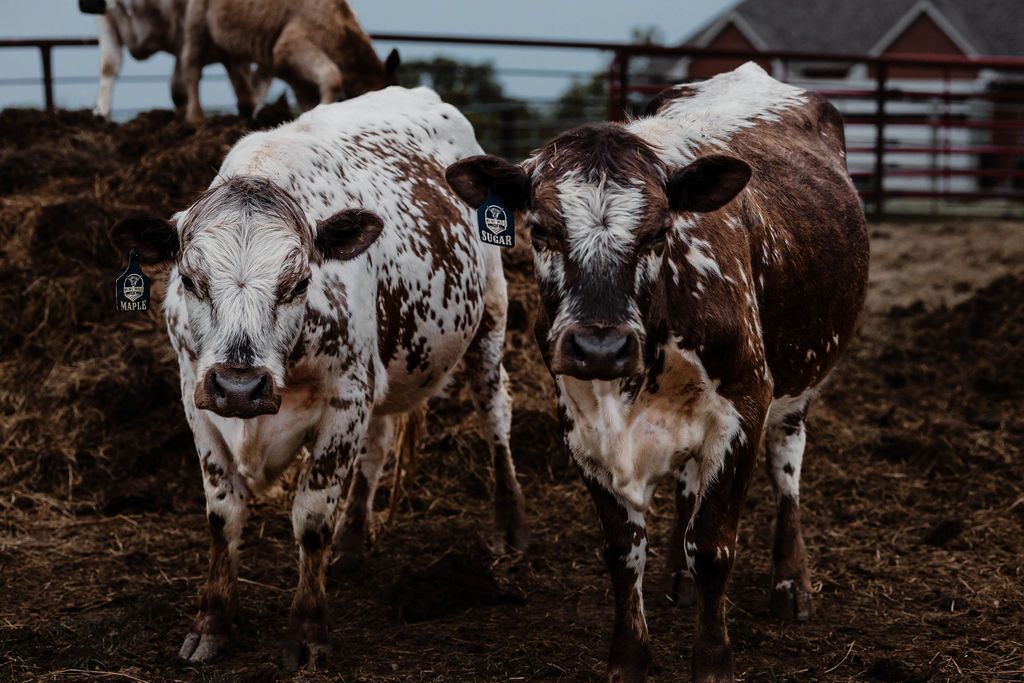
Because HighParks are a crossbreed, their mature size can vary a little more than standard mini highland cows depending on the bloodlines involved.
Some mini HighPark cows may mature at very similar heights and weights as mini highlands, while others may have slightly different bone structure, muscling, or frame characteristics.
At the end of the day, if you're trying to predict how large your calf will grow, genetics, parent size, and breeding lines will always matter more than coat color or markings alone!
How Much Land Do You Need for a Mini Highland Cow?
Now that you have a general idea of how big a mini highland cow gets, the next natural question becomes, how much land does a mini highland cow need?
And while exact acreage needed for your mini highland cow can vary based on pasture quality and management style, a general guideline is at least ½ to 1 acre per mini cow for grazing.
With that said, however, we always say that more land is always beneficial if pasture rotation is limited!
If you are working with high-quality rotational grazing systems, you may be able to support more animals per acre. However, overgrazing can quickly lead to land degradation, so space planning is important from the start.
Minimum Space Requirements Per Animal
If you’re planning a small herd, a good starting point is:
- 1 cow: ½–1 acre minimum
- 2–3 cows: 1–3 acres recommended
- Larger herds: rotational grazing system strongly encouraged
It’s less about a strict number and more about ensuring they always have access to fresh forage and space to move comfortably.
Fencing Height and Type For Mini Highland Cows
Fencing is one of the most important investments you’ll make for your mini highland cow setup, because while mini moos are generally pretty calm, the reality is that they are
still cattle!
This means that secure fencing is essential to owning a mini highland cow.
Recommended fencing options include: high-tensile woven wire fencing, no-climb livestock fencing, or reinforced post-and-rail systems (with proper spacing).
As far as the height of your mini cow fencing, it should typically be at least 4 to 5 feet, depending on terrain and herd dynamics.
Shelter and Mini Cow Barn Size Guidelines
Even though mini highland cows are hardy and cold-tolerant, they still need access to a mini cow barn or shelter for protection from extreme weather.
A proper shelter should provide dry bedding space, protection from wind, rain, and snow, and shade during hot summer months.
The space itself doesn’t need to be elaborate, but it does need to be well-ventilated (without being drafty), clean and regularly maintained, and large enough for all animals to comfortably lie down at the same time.
Ready to Buy a Mini Highland Cow?
Understanding how big your mini highland cow will get is one of the most important things to get clarity on before moving forward with your investment!
Our hope is that this guide gave you all the clarity you need and that you feel fully equipped to bring a mini highland cow home.
If that’s the case, we’d love to help you find the mini moo that’s best for you. You can
CLICK HERE to browse our available mini highland cows!
🐮
Miniature Highland Cows for sale
Sunny
Ohmy
Dolly
Rudy
Frequently Asked Questions About Mini Highland Cow Size
How big do mini highland cows get?
Depending on genetics, breeding, and size classification, most miniature highland cattle typically mature somewhere between 36–48 inches at the hip, with weight often ranging anywhere from 500 to 1,000+ pounds.
What’s the difference between a micro mini, mini, and midsized mini highland cow?
The main difference between a micro mini, mini, and midsized mini highland cow comes down to their expected mature height.
Micro minis typically mature at 36 inches or under, mini highlands usually mature between 37–42 inches, and midsized miniatures generally mature between 43–48 inches at the hip.
While genetics, nutrition, and breeding all play a role, these classifications help buyers better understand what size their mini highland cow may reach as an adult.
How much does a full-grown mini highland cow weigh?
A full grown mini highland cow typically weighs between 500–900 pounds, though some larger standard minis may weigh slightly more.
How big is a micro mini highland cow?
A micro mini highland cow is typically 36 inches or under at the hip and often weighs between 500–700 pounds at full maturity.
When are mini highland cows fully grown?
Most mini highland cows reach full height around 2–3 years old, though some may continue filling out until age 4.
How much space does a mini highland cow need?
Most mini highland cows need at least ½ to 1 acre per animal, though pasture quality and rotational grazing can impact land needs.
Are mini highland cows smaller than regular highland cows?
Yes, mini highland cows are significantly smaller than traditional highland cattle, often weighing hundreds of pounds less at maturity.
How big are mini highland cow calves at birth?
Mini highland calves are typically born weighing between 40–70 pounds, depending on genetics and breeding lines.
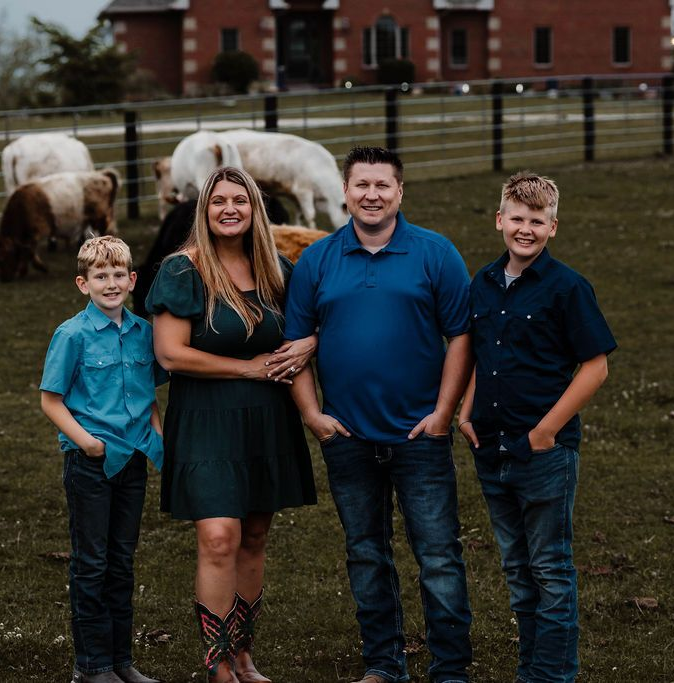
WELCOME TO MINI MOO CREW
We're a
family-operated farm nestled in the heart of central Iowa, where we raise Mini Scottish Highland, Highparks, and HiBelts.
We work directly with customers to
match families and individuals across the United States with the perfect cow-mate.
QUESTIONS ABOUT OUR MINI HIGHLAND COWS FOR SALE?
Text Jamie:
515-419-4292
CHECK OUT OUR OTHER EXPERT GUIDES
mini highlands foR sale
Mini Highland calves are our specialty. And we have some cuties for sale.
FluffY coW picS
Here for the cuteness? We've got you covered. Come say hi to our pasture pets.
QuAlity
We pride ourselves in taking special care of our farm animals each and every day.